

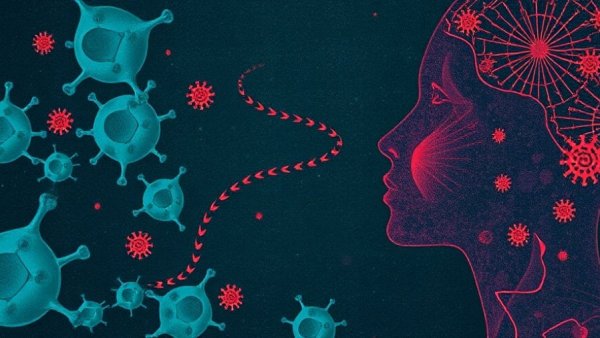
Understanding the Intersection of Autoimmunity and Personal Narratives
Sara Hirsh Bordo's compelling discourse on chronic illness unravels how women's lived experiences with autoimmunity become intertwined with societal expectations. This discussion sheds light on a crucial notion: the stories we tell about illness are often not merely personal—but also deeply influenced by the roles we are conditioned to play. For many women, societal pressures compel them to embody the 'good girl' image, which can lead to a denial of their own health struggles. The journey toward recognizing and verbalizing chronic illness often involves transcending inherited expectations.
The Cultural Context of Healing and Suffering
This cultural landscape highlights an essential question: How does the narrative surrounding illness influence a woman's relationship with her health? Too often, the expectation is to remain strong, nurturing, and self-sacrificing, even at the cost of personal well-being. When women grapple with autoimmunities, like lupus or rheumatoid arthritis, their experiences are laden with the invisible burden of these narratives. The decision to speak out or seek help often feels at odds with the desire to maintain the 'good girl' facade. Understanding these narratives can empower not only women but also those around them, including caregivers and healthcare professionals.
Challenging the Status Quo
Her essay encourages a reevaluation of the 'good girl' archetype that permeates women's experiences. This involves fostering an environment where expressing pain or discomfort does not equate to failure or weakness. One must ask—what might happen if women feel freed from societal restrictions? If they could openly discuss their illnesses without fear of judgment? The shift from silence to vocalizing their struggles not only aids in their healing but also provides a roadmap for other women dealing with similar issues.
A Personal Anecdote on Resilience
Reflecting on my journey with autism, I’ve encountered societal norms that dictate how one should behave or appear—just like the narratives surrounding autoimmunity. I’ve found that sharing personal stories often reveals common threads of struggle and resilience. Through mindfulness practices, individuals—be they women battling illness or anyone face with stigmas—can find solace in community and shared experiences. Healing begins with acknowledgment and expression. The acceptance of one’s own narrative can become an empowering first step toward transformation.
Creating Awareness and Encouraging Dialogue
To challenge these narratives—a collective responsibility emerges. Educators, healthcare providers, and family members play pivotal roles in fostering a culture of openness and understanding. Engaging in conversations about autoimmunity and women's health can dispel myths and lead to more compassionate responses from society. It's essential for parents and caregivers of individuals with autism, and other health challenges, to understand these narratives as they help shape their loved ones' experiences.
Actionable Insights for Caring Communities
Given the discussions around autoimmunity and societal narratives, one key takeaway is the importance of active listening and validation. Whether you're interacting with a friend, family member, or patient who is sharing their health journey, create an empathetic space. Ask open-ended questions and refrain from imposing societal judgments. This simple act can lead to major breakthroughs in how individuals perceive their struggles and facilitate their acceptance.
In summary, as we engage with the concepts of chronic illness and personal narrative, let us advocate for a space where stories are shared openly and without stigma. Every voice deserves to be heard, and each narrative has power in shaping our collective understanding of health.
To foster change, let’s start by opening dialogues about the complexities of autoimmunity and the resilience of women. This conversation is vital, not only for those affected but for the communities supporting them.













Write A Comment