

Unveiling the Reality: Love, Caregiving, and Startling Statistics
Did you know that nearly 60% of spousal caregivers report a decline in their own health due to the emotional weight of caregiving? This eye-opening statistic highlights how the power of love, while deeply rewarding, can make caregiving for a spouse both a privilege and a source of great strain
As we dive into the world of spousal caregivers: how love deepens caregiving challenges, we uncover the ways in which emotional bonds can both support and complicate the process of providing care. Many spousal caregivers find themselves navigating not only the health concerns of their partner, but also grappling with shifts in relationship satisfaction and their own wellbeing. The journey is marked by both remarkable resilience and moments of vulnerability, as love transforms the everyday responsibilities of care into an ever-evolving emotional landscape.
"Nearly 60% of spousal caregivers report a decline in their own health due to the emotional weight of caregiving."

What You'll Learn in This Exploration of Spousal Caregivers: How Love Deepens Caregiving Challenges
- The nuanced challenges spousal caregivers face, intertwined with emotional bonds
- How relationship satisfaction can both support and strain caregiving for a spouse
- Common emotional struggles and practical barriers
- Perspectives from care recipients and other spousal caregivers
Understanding Spousal Caregivers: How Love Shapes the Caregiving Journey
The Complex Dynamics of Spousal Care
When love becomes intertwined with illness or disability, the shift in marital dynamics is profound. Spousal caregivers often discover that caring for a partner means entering a daily routine that is emotionally and physically demanding. They are not only the care provider but also the emotional anchor, facing the dual responsibility of maintaining a healthy relationship while managing the care recipient's needs. Studies show spousal caregiving can redefine roles, turning spouses into advocates, nurses, and sometimes, full-time home care providers.
These complex dynamics can lead to an undeniable sense of purpose, but also to a stack of health concerns for the caregiving spouse. Often, the needs of the care recipient overshadow the needs of the care provider—leading to burnout, resentment, or emotional exhaustion. As the relationship shifts from shared partnership to one-sided support, both partners must grapple with changes to physical health, communication, and mutual support. This transformation is deeply personal and unique, reflecting the resilience and vulnerabilities that love may surface during times of crisis.
For those seeking practical ways to stay connected and communicate effectively during the caregiving journey, leveraging tools like video email solutions can help maintain meaningful interactions, even when time and energy are limited.
Role Reversal: From Partner to Spousal Caregiver
One of the most challenging aspects of spousal care is the shift from a relationship built on mutual support to one increasingly defined by caregiving responsibilities. Many older adults and middle-aged couples find themselves in a position where daily tasks—once shared—now rest on the shoulders of the healthier spouse. This role reversal brings with it an emotional load, sometimes blurring the lines between caregiver and life partner. Navigating these changes requires patients, empathy, and a willingness to continuously adapt.
The caregiving spouse often finds themselves learning new routines, balancing the demands of care, household management, and, at times, financial stress. Meanwhile, the care recipient may struggle with feelings of dependency or loss of agency, directly impacting relationship satisfaction and communication. Underneath these shifting roles lies a current of grief for the life and routines the couple once shared. Yet, many spousal caregivers also report finding deeper emotional connection, resilience, and profound commitment, which carries them forward despite the challenges.
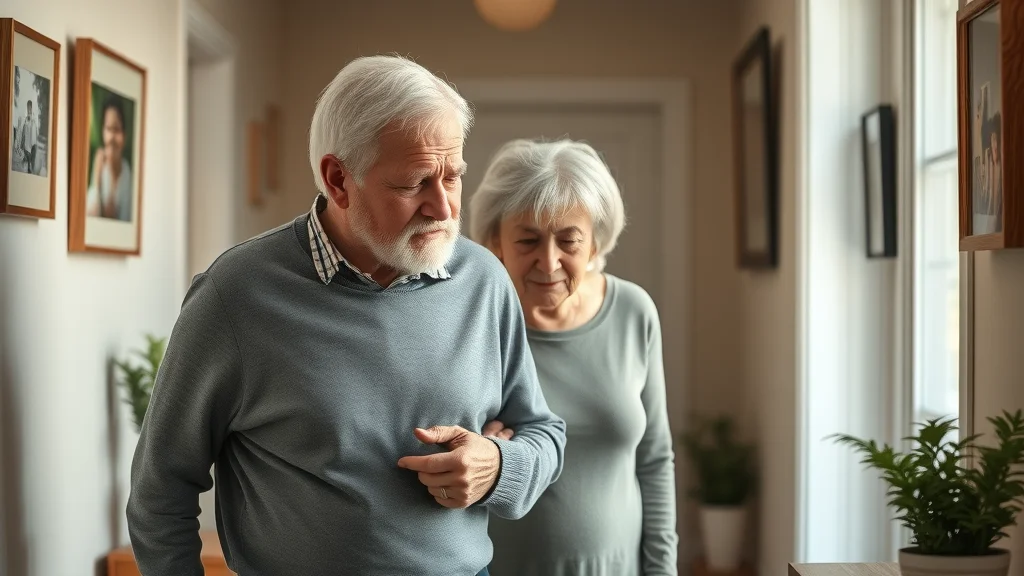
The Emotional Impact: Relationship Satisfaction in Spousal Caregiving
| Aspect | Before Caregiving | After Caregiving Begins |
|---|---|---|
| Communication | Frequent, open, and supportive discussions | Can become task-focused, sometimes strained due to stress |
| Intimacy | Regular expressions of affection and closeness | May decrease, replaced by caregiving tasks and fatigue |
| Support | Mutual, reciprocal emotional and physical support | Often shifts to one-sided, leading to emotional fatigue |
How Love Deepens Both Support and Stress
Love is a powerful motivator for spousal caregivers. It strengthens resolve during adversity, helping individuals rise to the occasion and provide care that is both compassionate and effective. However, the same deep emotional bond can also amplify stress. Spouses may neglect their own well-being in favor of their partner’s, ignoring signs of physical health decline or emotional burnout out of devotion. This paradox means that, for many, love is a double-edged sword: reinforcing both commitment and sacrifice.
As caregiving roles intensify, relationship satisfaction naturally fluctuates. It is common for intimacy and shared joy to decrease as daily life becomes dominated by medical routines or health issues. Communication may shift from shared dreams to managing appointments and symptoms. Still, many caregivers find a renewed sense of meaning in providing care for a spouse, and moments of tenderness endure even in difficulty. The challenge is learning to hold space both for the rewards of loving care—and for the emotional and physical costs.

Challenges Unique to Spousal Caregivers: How Love Intertwines with Duty
Emotional Burnout and Mental Health Strains
Emotional burnout is a frequent companion to spousal caregiving. The demands of caregiving often require constant vigilance, emotional resilience, and frequently, the delay or neglect of the caregiver’s own needs. Over time, this relentless focus can lead to anxiety, depression, and even health problems for the care provider. Spousal caregivers may feel isolated from family and friends, as social activities decrease and the emotional labor involved goes unseen.
Just as the love sustaining caregiving is powerful, so too are the mental health strains that can accumulate. Caregiving for a spouse often involves mourning the “old” relationship while forging a new reality—one that may not always be mutually fulfilling. Studies show that emotional and physical stress can impact both the caregiving spouse and the care recipient, affecting relationship satisfaction and creating cycles of tension. Yet, acknowledging these challenges is an important first step toward meaningful support and healing.
Navigating Dependency: The Care Recipient’s Perspective
It’s crucial to examine how spousal caregiving affects the partner who receives care. Losing independence can be deeply unsettling for the care recipient, particularly for older adults facing chronic illness or disability. The emotional complexity of relying on a spouse for basic needs may provoke feelings of embarrassment, resentment, or grief. This dynamic often challenges the dignity and self-worth of the care recipient, disrupting the established give-and-take of spousal care.
The care recipient's perspective is marked by vulnerability but also by profound gratitude. Witnessing a loved one assume the caregiving role, many care recipients are acutely aware of the impacts on their partner. This reciprocal awareness can foster deepened empathy, but also guilt or frustration. Creating intentional opportunities for honest dialogue and mutual support is key to preserving both dignity and relationship satisfaction as caregiving becomes central to daily life.
"My husband’s care is an act of devotion, but sometimes, the weight of responsibility feels overwhelming." – Anonymous spousal caregiver
Lists: Key Stressors and Coping Mechanisms for Spousal Caregivers
- Loss of shared activities with care recipient
- Financial difficulties
- Impact on relationship satisfaction
- Accessing outside help
- Practicing self-compassion

The Impact of Spousal Caregiving on Older Adults
Older Adult Challenges in Spousal Care
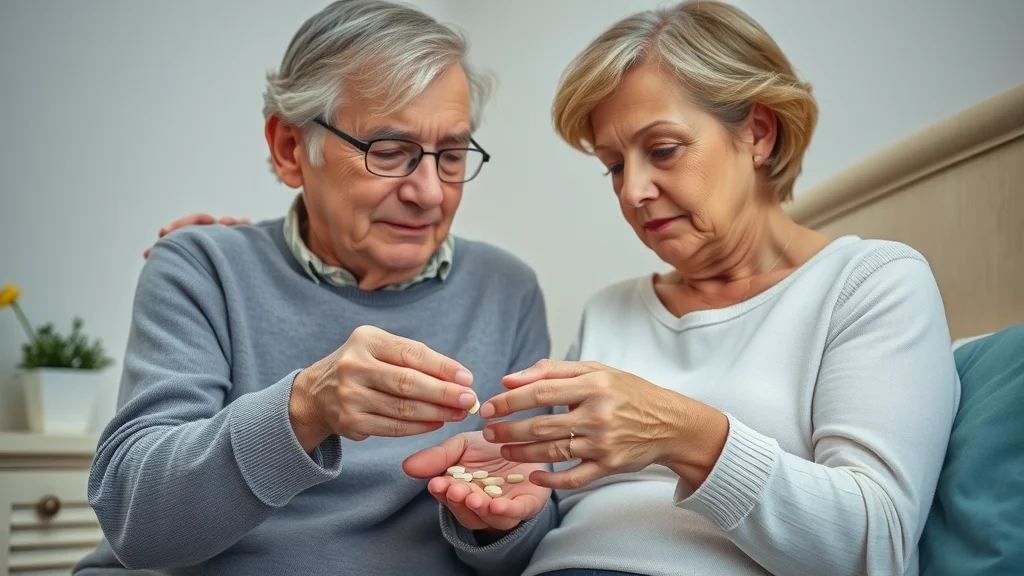
As life expectancy increases, more older adults find themselves either providing care or requiring it. Spousal care in later life brings added layers of complexity—older adult caregivers are more prone to physical health issues, and the risks associated with emotional burnout are higher. Tasks such as medication management, mobility assistance, and medical appointments become daily fixtures, stretching the physical and emotional reserves of the caregiving spouse.
Home care for older adults by a spouse often replaces what could have been support by outside care providers or other family members. This can lead to a sense of isolation, as spouses try to shoulder these responsibilities largely on their own. Despite these hurdles, many older adults report a profound sense of loyalty and deep connection with their care recipient partner, which can provide comfort—but also set the stage for overextending oneself at the expense of personal wellbeing.
Preserving Dignity and Agency for the Care Recipient
A central concern in spousal care—especially for older adults—is preserving dignity and agency for the care recipient. As health conditions progress, the loss of autonomy can threaten a person's sense of identity and self-respect. Respectful, collaborative care routines can help maintain a care recipient’s dignity. Encouraging involvement in daily decisions, even small ones, and fostering open communication are essential techniques for empowering the care recipient.
When couples focus on transparent dialogue and mutual respect, they are more likely to achieve a greater sense of partnership despite the caregiving imbalance. These actions also reinforce relationship satisfaction and allow both partners to adjust to their new roles with compassion and understanding.
People Also Ask: Addressing Common Questions about Spousal Caregivers: How Love Deepens Caregiving Challenges
What are the emotional effects of spousal caregiving?
Spousal caregiving often leads to increased emotional strain as partners adjust to new roles and responsibilities. The sense of losing aspects of the former relationship, coupled with profound empathy for the care recipient, can create emotional ups and downs. Relationship satisfaction may shift as caregiving takes center stage, and feelings of isolation or resentment are not uncommon due to the intensity of these changes.
How can relationship satisfaction be maintained during spousal care?
Maintaining relationship satisfaction during spousal care requires open communication and mutual understanding. Couples benefit from engaging in shared decision-making, actively seeking out support groups or counselors, and intentionally creating moments of intimacy outside the demands of care. Even small gestures of affection or sharing enjoyable activities can help sustain emotional bonds through challenging times.
What support resources are available for spousal caregivers?
Spousal caregivers are not alone—numerous resources exist to help them manage both practical and emotional aspects of their role. Local respite care programs offer temporary relief, while counseling and online forums provide emotional outlets and community. Disease-specific non-profits can offer education and tailored respite options to help spousal caregivers care for their partner and themselves.
Watch as real spousal caregivers share intimate insights on supporting their partners, balancing love and duty, and finding hope amid caregiving trials. Their candid voices bring to light the unique blend of affection, resilience, and stress encountered daily in the world of spousal care.
FAQs on Spousal Caregivers: How Love Deepens Caregiving Challenges
- How does spousal caregiving differ from other forms of family caregiving?
- Are there unique legal or financial considerations for spousal caregivers?
- Can relationship satisfaction be rebuilt after intense caregiving periods?
- What are the warning signs of caregiver burnout?
Key Takeaways: Insights on Spousal Caregivers, Relationship Satisfaction, and Loving Care Recipient Support

- Love is both a motivator and amplifier for caregiving challenges in spousal dynamics
- Relationship satisfaction can fluctuate in the context of spousal care
- Self-care, support networks, and honest dialogue are crucial tools
Informed Next Steps: Advocate for Spousal Caregivers and Enhance Support
As the number of spousal caregivers grows, society must recognize both their struggles and strengths—advocating for dedicated policies, accessible support, and open conversations to empower those who provide care with love.
If you’re interested in exploring innovative ways to strengthen communication and emotional connection throughout your caregiving journey, consider how modern video email platforms can bridge the gap when in-person moments are limited. These tools not only help maintain a sense of closeness but also offer a convenient way to share updates and encouragement with extended family and support networks. By embracing new technology, spousal caregivers can foster resilience and preserve relationship satisfaction, even during the most challenging times. Discover more about how video email can enhance your caregiving experience by visiting Talk Fusion: Video Email.










Write A Comment