

Understanding the Challenge of Getting Dressed
For many children with autism, the simple act of getting dressed can become an overwhelming challenge. Whether it’s socks, shirts, or waistbands, sensory sensitivities can make clothing feel uncomfortable or wrong. Understanding these challenges is the first step towards making mornings smoother for both parents and children.
What’s Wrong With My Child’s Socks?
When your child gets frustrated with their socks, it’s important to observe their cues closely. For instance, if they keep pulling at the toes or have difficulty with seams, there’s a chance that the toe seam is the culprit. Opting for seamless-toe socks or turning a pair inside out for a test can help gauge their comfort level. Furthermore, understanding that the issue might arise when shoes are added can change the game; ensuring that socks and shoes fit comfortably together, without bunching, can go a long way in alleviating discomfort.
Choosing the Right Shirts: A Neck Opening Matters
A struggle with shirts can manifest when children avoid putting them on but seem okay once they’re dressed. Here, it’s essential to pay attention to the neck opening. Does it seem too tight or does fabric touching their face cause anxiety? Shopping for wider neck openings or front-opening styles may simplify dressing tremendously. Parents can also utilize their children’s reactions to familiar clothing to identify the optimal choices. Exploring the difference between tags or seams in the back can reveal preferences that are worth noting for future outfits.
Pants and Waistbands: Finding the Right Fit
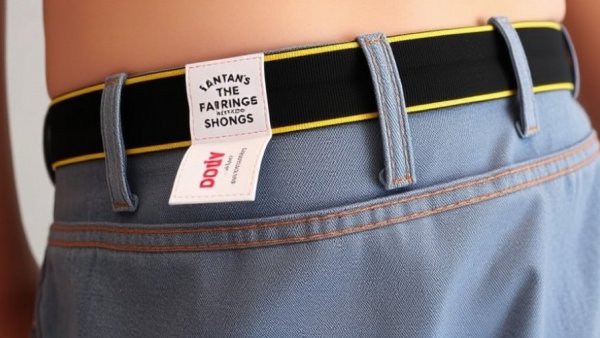
Waistbands are another frequent source of discomfort. Many children prefer elastic bands that allow for stretch and adjustability, especially while seated. Observing their interaction with different pant styles during various activities might provide insight. Height comparisons alongside elastic widths can determine comfort levels, making dressing a less stressful experience overall. It’s also a time saver to log down the brands and fits that work well for the future growth spurts!
The Two-Outfit Test: A Simple Experiment
The two-outfit test is an engaging way for children to express their clothing preferences. By setting out a frequently worn outfit next to one they avoid, parents can gain insights into why. Maybe the child loves how a particular shirt feels but find issues with the waistband of the accompanying pants. This understanding can guide sensible shopping regarding new clothing choices as they grow. This simple comparative method invites children to communicate their discomforts, potentially making the process of dressing more manageable.
Normalizing Sensory Sensitivity
Part of the journey in finding clothing that works is normalizing sensory sensitivity. It’s essential to explain the ‘why’ behind their struggles to help children feel understood and supported. Share stories of others facing similar challenges, emphasizing that many children gain comfort from specific clothing items, which fosters a sense of community and belonging.
Toolbox for Parents: Resources and Recommendations
There are valuable resources available for parents seeking sensory-friendly clothing options. Many companies specialize in designing clothes that cater to children with sensory processing sensitivities. From adaptive clothing to specially designed shoes, a well-stocked toolkit can alleviate the stress of dressing, turning it into an enjoyable exploration rather than a daily battle. Moreover, local support networks or online groups can provide recommendations for brands that understand such unique needs.
Conclusion: Simplifying Mornings for Families
Ultimately, dressing should be a simple part of daily life, but for many families, it becomes a hurdle filled with frustration. By tuning into the specific needs of autistic children, parents can not only ease the morning chaos but also empower their children to express their preferences. Building a list of clothing styles and fits that work helps ensure their children are comfortable and ready to start the day on the right foot.












Write A Comment